
We Welcome You to Leading Edge Oral Surgery
Choosing an experienced oral surgeon is a critical decision in your journey to better health. At Leading Edge Oral Surgery, our highly experienced oral and maxillofacial surgeons work cohesively to deliver advanced, precise surgical care. Each oral surgeon in our practice has extensive training and expertise in simple, complex, rehabilitative and emergency surgical care. With offices in Manhattan, Queens, and Long Island, NY, whether you require dental implant placement, tooth extractions, jaw surgery or have other concerns, we are proud to deliver the services you need from our modern, clean, efficient practice locations. Redefining the patient experience, our leading team of oral surgeons work closely with dentists and other specialists to streamline your treatment and provide comprehensive care. Each oral surgeon in our practice is certified to administer all forms of anesthesia, and utilizes the latest in minimally invasive technology to maximize your treatment results with comfort and precision. From our family to yours, we are proud to offer patient-centered surgical care for a lifetime of healthy, happy smiles.

Top Services from Skilled Oral Surgeons
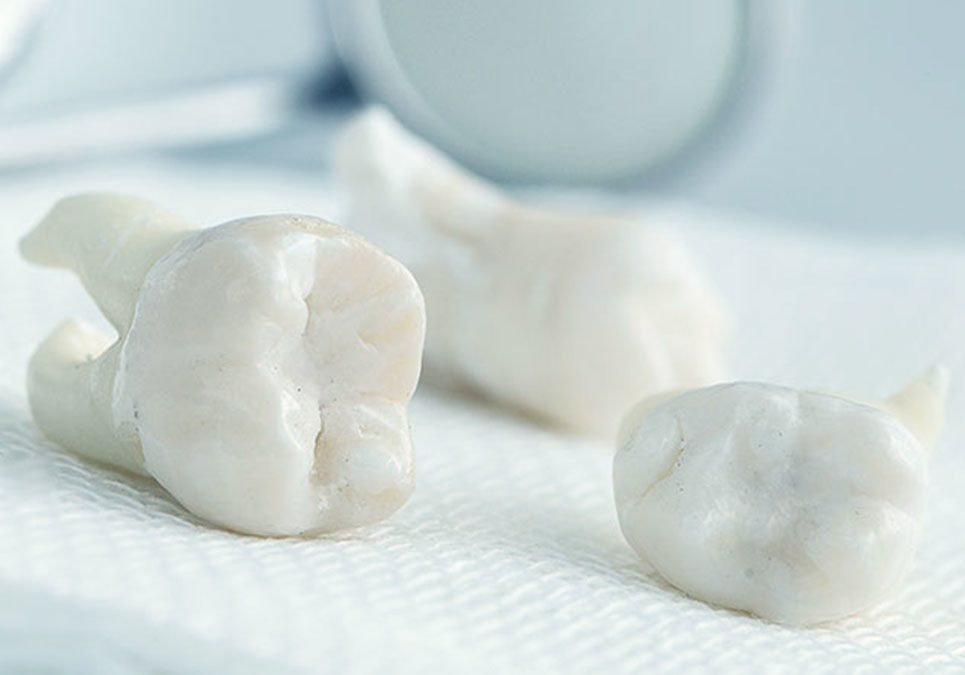
Wisdom Teeth Extractions
Wisdom teeth often are malpositioned, impacted in the bone or gum, or otherwise problematic, and best removed by the skilled hand of an oral surgeon. Whether your extraction needs are simple or more complex, each oral surgeon in our practice is highly proficient at removing wisdom teeth in the most minimally invasive way possible. To ensure your total comfort, we offer IV sedation and other options when undergoing wisdom teeth extractions.
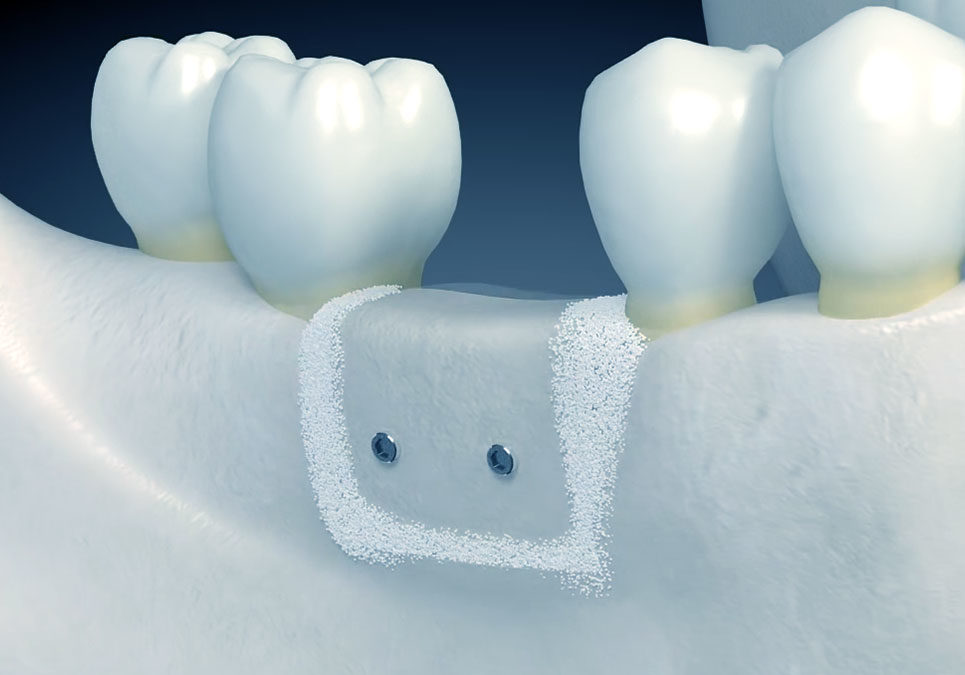
Bone Grafting
With bone grafting techniques, an oral surgeon can effectively rebuild areas of the jaw where bone loss has occurred. Bone grafting restores natural contours to the face and jaw, improves oral function and increases your candidacy for dental implants. Using 3D Bone Graft Planning and minimally invasive PIEZOSURGERY®, our oral surgeons perform sinus lift/augmentation, ridge preservation/augmentation and guided tissue reservation, among other regenerative bone grafting techniques.
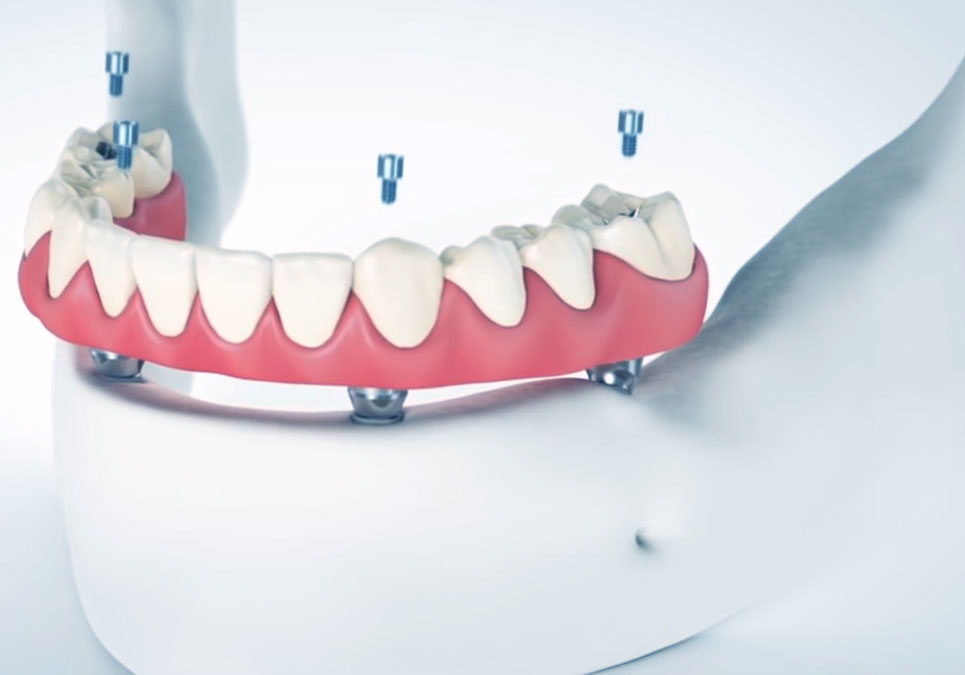
TRUETEETH Dental Implants
When receiving TRUETEETH dental implants from a leading oral surgeon, you never have to go without teeth. This full-arch replacement option lets you undergo extraction of failing teeth to implant placement, in the convenience of single day. Our oral surgeons precisely place a series of four to six implants within your jaw, to which your dentist or prosthodontist then securely attaches a full arch tooth replacement prosthesis.
Our Google Reviews

I was referred here by a trusted endodontist after my implants done elsewhere failed. Dr. Cardo figured out my issue and recommended a sinus lift (graft) which he did, followed by replacement implants. He also tested my other implants to confirm which ones were stable. Dr. Cardo lets you know what to expect, works neatly and efficiently, and is very patient with questions. So far everything I've had done here has gone as expected and healed well. I especially appreciate that despite being very experienced and also quite busy, the surgeon takes time to walk you through what will be done so that there are no surprises at any point. Same goes for the billing department. The staff in general are very helpful and efficient. Overall would highly recommend this place.
Nicole M.
This is my third visit with Dr Jurman and I am glad to say that again he has given me a great experience. Several months back I had a badly broken tooth, which Dr Jurman extracted and planned on replacing the tooth with an inplant. I was always fearful of dentists, let alone oral surgeons. He took his time to talk and explain everything prior to all procedures. I cant say enough about Dr Jurman and his staff, Excellent, AAA+++, Five Stars
Mario S.
Dr. Gish practices with amazing knowledge, modern technology and a positive, reassuring manner. His colleagues come highly recommended as well. All of his office staff have been kind and considerate. I felt comfortable and well taken care of during my office visits. Thank you!
Joanne R.
Dr. Kalman and his staff are amazing. Dr Kalman is an expert in his field and has an incredible bedside manner. His technicians and office staff as well along with great patience and very personable. I highly recommend them.
Amelia B.
The staff greeted me pleasantly. There was not a long wait time before my appointment. I recommend completing your paperwork prior to your visit. It’s much easier, that’s what I did. The office was clean. The entire staff made me feel comfortable. Immediately after my procedure Monica began to sanitize the patient room. Tiffany called me the next morning to check to see how I was feeling. Thank you. MOST OF ALL: DR. J. KNELLER IS THE BEST!!!
Felice A.
Dr. Fanti and his staff were so helpful and amazing throughout my tooth removal experience. I had to remove my wisdom teeth all at once, and was super stressed out prior to my appointment. My surgeon and his staff were super reassuring, explained everything to me, and put me at such ease throughout the whole procedure. They had me smiling before and after (if you could believe it) 10/10 recommend this place! Also super clean office!
J R.
I can’t believe I’m writing a 5 star review for an oral surgeon but this wasn’t my first rodeo with Dr Park. He is patient, informative and did a great job as my recovery has been easy and painless. I’m not an easy patient, however, he and his staff are kind, supportive & genuinely caring. Thank you for not making my oral surgery an unpleasant experience but a very tolerable one.
Liz & Arie P.
Dr. Bast is an artisté is his field! I was very nervous having to have an extraction (and eventually an implant). Dr Bast assured me that he would do everything possible to minimize my pain and that the process would go smoothly. Not only did I feel NO pain, I had minimal bruising and a speedy recovery, following his instructions. Dr. Bast is an expert and highly skilled in his field! I trust him completely.
Cam M.
This practice is superb. From the moment I walked in for an extraction, everyone was kind, concerned and knowledgeable. They realized that I may be in pain and treated me accordingly. My consult with Dr. Bass made me feel like I was family, and that he would treat me as such. The descriptions and instructions were clear and concise. I left this immaculate and very modern office with a feeling of great relief. Any anxiety that I had was quickly and completely dispelled by their performance.
Gary T.
Experience The Skill And Expertise Only An Oral Surgeon Can Offer
© 2022 Dental Website by EGC Group